
Smoke odour removal starts with finding where smoke and residue travelled. The room where the fire began may be only part of the loss. For example, nearby cabinets, fabrics and wall surfaces can also hold residue. First, wait until the relevant authorities allow safe entry.
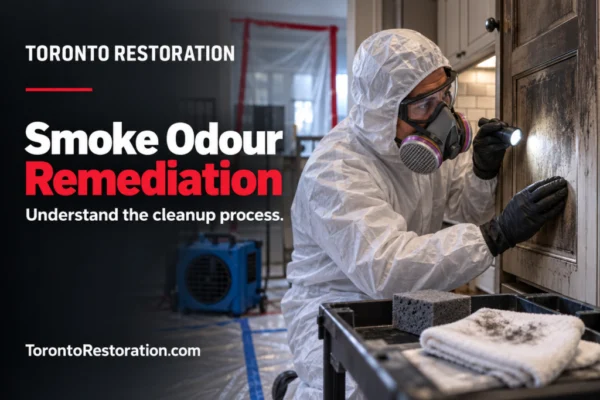
Find the source before smoke odour removal
Tell the assessment team where the smell is strongest and which rooms the smoke reached. Also mention any water used in firefighting. Damp materials can add another problem, so the cleanup plan may need both smoke treatment and drying.
A stronger scent does not solve the source. Instead, review the affected surfaces and contents. Some items may respond to cleaning, while others may need specialist care or replacement.
Match smoke cleanup to the surface
Different finishes need different care. For instance, rubbing residue into a painted wall may make treatment harder. Therefore, avoid trying several cleaners before a specialist assesses the material. Tell the crew what products you have already used.
Smoke odour removal may involve walls, ceilings, cabinets and belongings. Keep those tasks clear in the scope. If fabrics or electronics need outside treatment, ask who will handle them and how the items will be recorded.
Review results before new finishes
Cleaning and source removal should guide decisions about sealing or repainting. However, paint alone does not show that hidden residue has been dealt with. Ask what remains in the work area and how the result will be checked.
Toronto Fire Services provides an after-fire recovery guide. For property-specific help, read about our smoke and odour cleanup service. Then share the rooms involved, visible residue and any access limits.
Finally, take photos from a safe place and keep a list of affected items. Your insurer can explain which records it needs. Treatment time depends on the materials and spread of residue, so a site check should come before promises about the result.
Smoke odour removal FAQs
Can smoke affect a room with no flames?
Yes. Smoke can travel beyond the room where a fire starts.
Will fragrance remove smoke residue?
No. It may hide a smell without cleaning the affected surfaces.
Should I scrub soot from walls?
Ask about a suitable method first, because rubbing can spread residue or damage a finish.
Do all belongings need disposal?
Not always. The material, condition and cleaning options guide that decision.
Can you promise when the smell will be gone?
No fixed time fits every property. First, assess the source and the materials involved.


