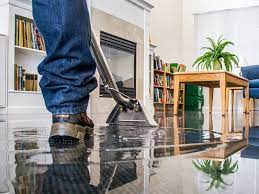
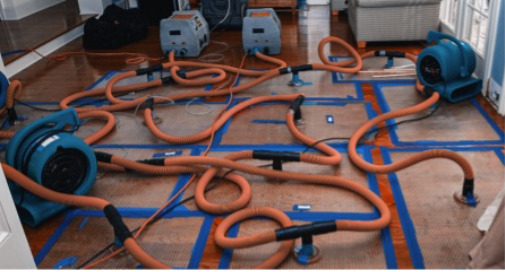
Water Source
First, identify the leak or flood source. A plumbing or building repair may be needed before drying can hold.
Water damage restoration in Toronto begins with safe access and the cause of the leak. Water can reach below floors or behind cabinets, even when the surface looks almost dry. Therefore, tell us when the damage began and which rooms are involved.
Keep away from standing water near electrical equipment. If the source is still active, arrange safe help to stop it. Then call 416-400-3076 to discuss the site and availability.
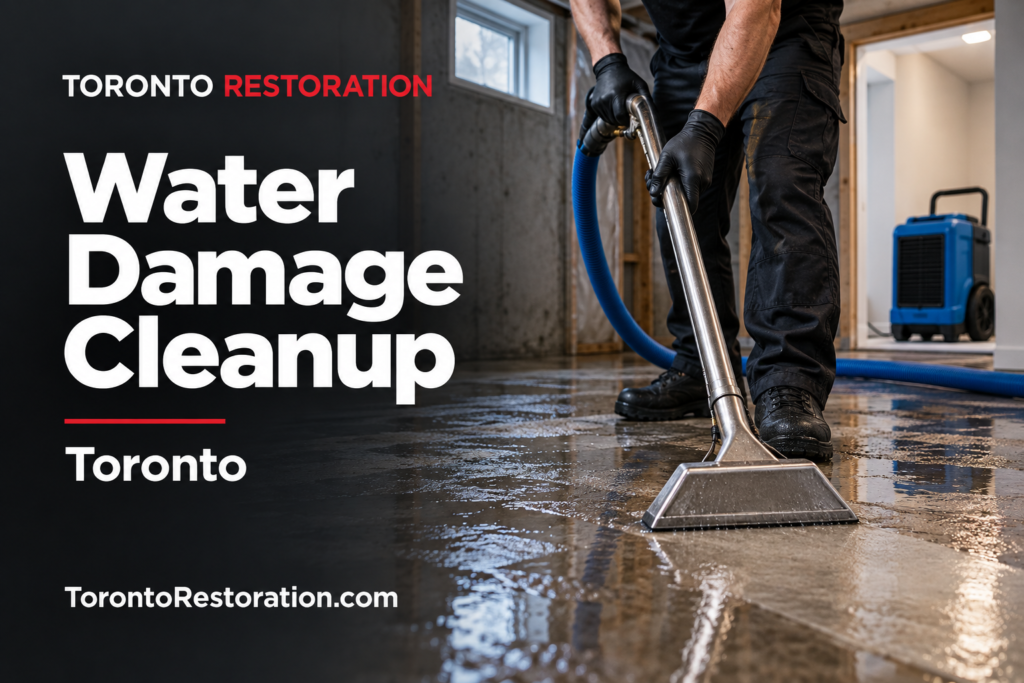
A pipe leak, sewer backup and outside flood do not call for the same response. The source, time wet and material condition guide cleaning and removal. Read Health Canada’s flood cleanup advice before handling affected items.
Extraction is one stage of water damage restoration. Next, the team reviews what can dry in place and what needs removal. Also ask how the team will record equipment use and moisture checks. This gives you a clear basis for the repair plan.
First, identify the leak or flood source. A plumbing or building repair may be needed before drying can hold.
Next, check nearby walls and floors. Moisture readings help show where water has spread beyond the visible patch.
Where access is safe, extraction removes standing water. However, sewage and floodwater need a plan suited to the contamination.
After cleaning, suitable equipment supports drying. Meanwhile, readings track the condition of materials that remain in place.
Some wet finishes need removal. Therefore, agree on the affected areas and any material checks before opening walls or floors.
New finishes follow source repairs and drying checks. Otherwise, moisture may remain beneath fresh paint or flooring.
Keep photos, readings and receipts together. Also ask your insurer which records and approvals it needs.
Water can reach floors below a fire. For that reason, coordinate drying with fire damage restoration.
Yes. Moisture can remain under flooring or inside a wall, so surface appearance is only one check.
Because materials and conditions differ, moisture readings should guide the work.
No. First, arrange an assessment because airflow can spread contamination.
Not always. Plumbing or building repairs may need a separate scope.
Your insurer decides coverage, so ask what records it needs before agreeing to work.